Dear Friends and Family,
We want to welcome you to the new technology of personal genomics and congratulate you in advance for interested in SuperDNA test.
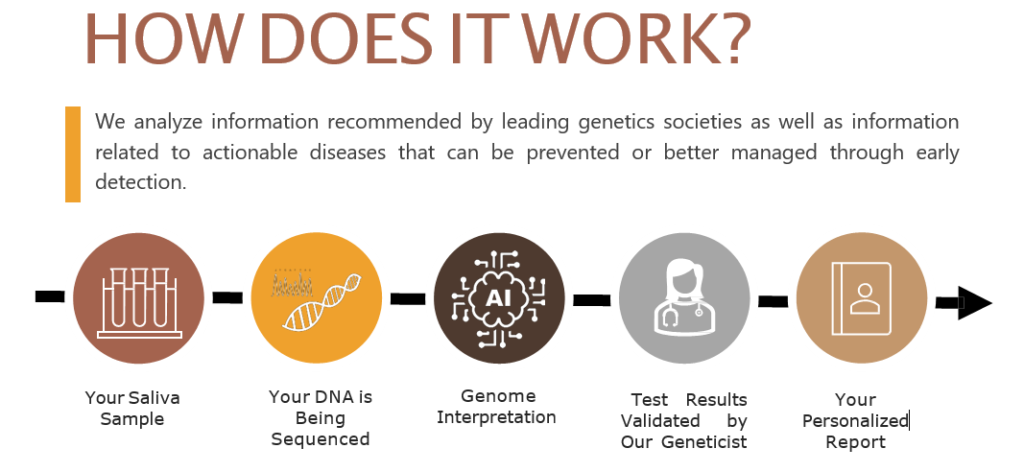
A Team of scientists have successfully analyzed saliva samples to bring a living analysis of a person’s DNA. The report can show the discovery insights into the incredible story of a person’s genome, health, traits, and needs.
It is important to note that your health and wellness are dependent on many factors.
Your genes, environmental influences, and lifestyle choices all contribute to the current state of your body and health.
SuperDNA Whole Genome Sequencing (WGS) is the ultimate way to care for your future self by giving you a wealth of information that allows you to alter what might have been your genetic destiny.
Armed with this information, you will have the power to live a longer, healthier and happier life.
Analyzed read on to kickstart your journey, and to empower yourself with valuable and actionable health and wellness insights so that you can make better choices, for you.
In health & happiness,
The SuperDNA Team &
Vitality Valets Team
Getting Started With SuperDNA
Genetics 101
Once you’ve got an understanding of the basics, you’ll be all set to make the best use of your results and apply them to make the lifestyle changes that are right for you.
What’s a Genome?
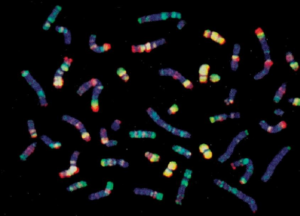
A genome contains all the instructions needed to build and maintain an organism throughout its life. It guides growth, helps organs function, and repairs damage. It is unique to each individual and made up of DNA, which looks like a long, twisted ladder. DNA is read like a code, with the order of four chemical building blocks allowing for different functions. The code varies slightly from person to person, shaping individual identity. Understanding your genome can inform health decisions.
How does my genome work?
Your genome is like an instruction manual, with the letters of your DNA combining to spell out specific instructions. Genes provide cells with instructions to make proteins, and small differences in genes can change protein shape and function, affect physical traits, and influence disease risk and medication responses.
Your genome is inherited from your biological parents and influences your unique traits. While some traits are mainly controlled by one gene, most are influenced by multiple genes, as well as lifestyle and environmental factors. Your choices and habits affect your health, and DNA is not your sole determinant.
What causes genetic diseases?
Genetic diseases are caused by changes in the DNA sequence, called genetic variants, which may result in harmful effects on health. Some genetic variants are inherited from parents, while others occur during a person’s life due to environmental factors. Genetic disorders can be caused by mutations in one gene, multiple genes, or damage to chromosomes.
As we learn more about the human genome, we are discovering that nearly all diseases have a genetic component. Understanding family health history is crucial in identifying potential inherited genetic diseases. Some genetic diseases, such as sickle cell disease, are present at birth, while others, such as some cancers, occur during a person’s life.
What is genetic testing and how it benefits your health?
Genetic testing involves processes and techniques that determine information about an individual’s DNA, which provides information on ancestry and health risks, it can diagnose genetic conditions or determine the chance of developing in the future. Genetic tests are done using blood or saliva samples and may take a few weeks to yield results. the best results can predict how individuals will react to certain medications, allowing healthcare providers to make informed decisions abount treatment. Additionally, the result can help people of all ages to make decisions about managing their healthcare, inclusing prevention and treatment options.
Polygenic Risk Score
Polygenic Risk Score (PRS) measures the total number of genetic variants within an individual to assess their heritable risk of developing a particular complex disease. It combines information from multiple genetic variants into a single score, making risk prediction for common diseases more accurate. PRS uses risk alleles identified in a Genomic-Wide- Association Study (GWAS) and varies for different people in a population. By considering behaviours, environment, and PRS, a more accurate estimate of an individual’s risk for a disease can be obtained, which can improve accuracy of their report.
Nature vs Nurture
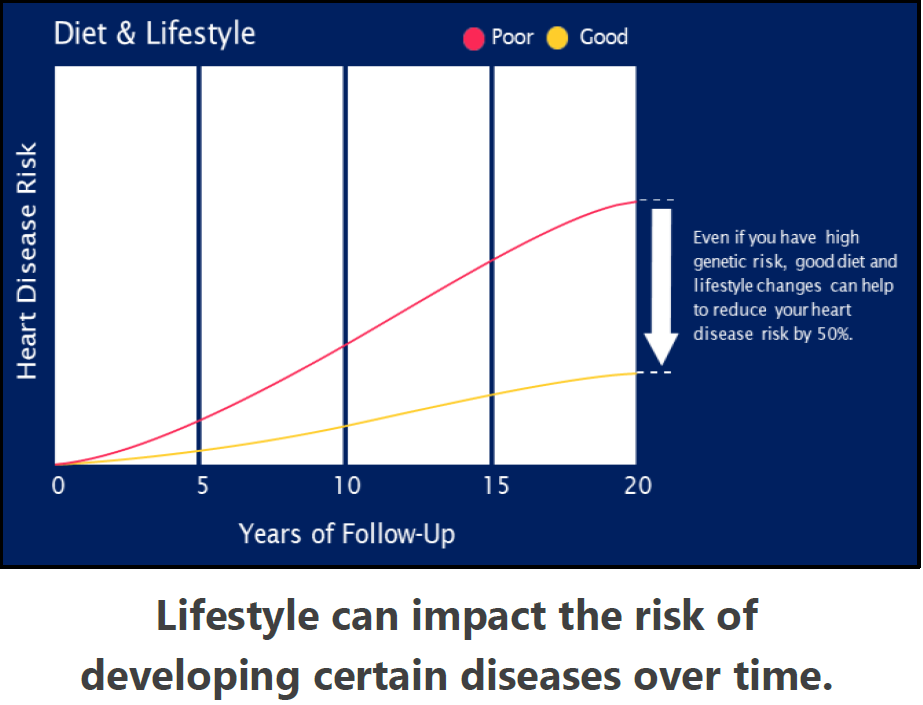
Genotype refers to the genes in your DNA responsible for a specific trait, while phenotype is the physical expression of that trait. Phenotypes are influenced by both genetic makeup and life experiences, including environmental factors such as diet and lifestyle. These factors play a significant role in the development of common diseases like diabetes, high blood pressure, and high cholesterol.
Despite having a high genetic risk for these conditions, adopting healthy habits can decrease the risk of developing them. Studies have demonstrated that following a healthy diet and lifestyle can reduce the risk of heart disease by 50% even in individuals with a high genetic risk.
Disclaimer
SuperDNA reports provide information about genetic mutations associated with certain traits and health conditions, but they do not diagnose or determine medical action. The presence of a certain risk does not guarantee the development of a condition and it is possible to have other genetic mutations not included in the reports.
Lifestyle and environmental factors can also influence the development of health conditions or traits. The reports cannot predict overall risk or determine the likelihood of developing conditions, and they should not replace visits to healthcare professionals, it is recommended to consult and healthcare professional for help interpreting and using genetic results.